
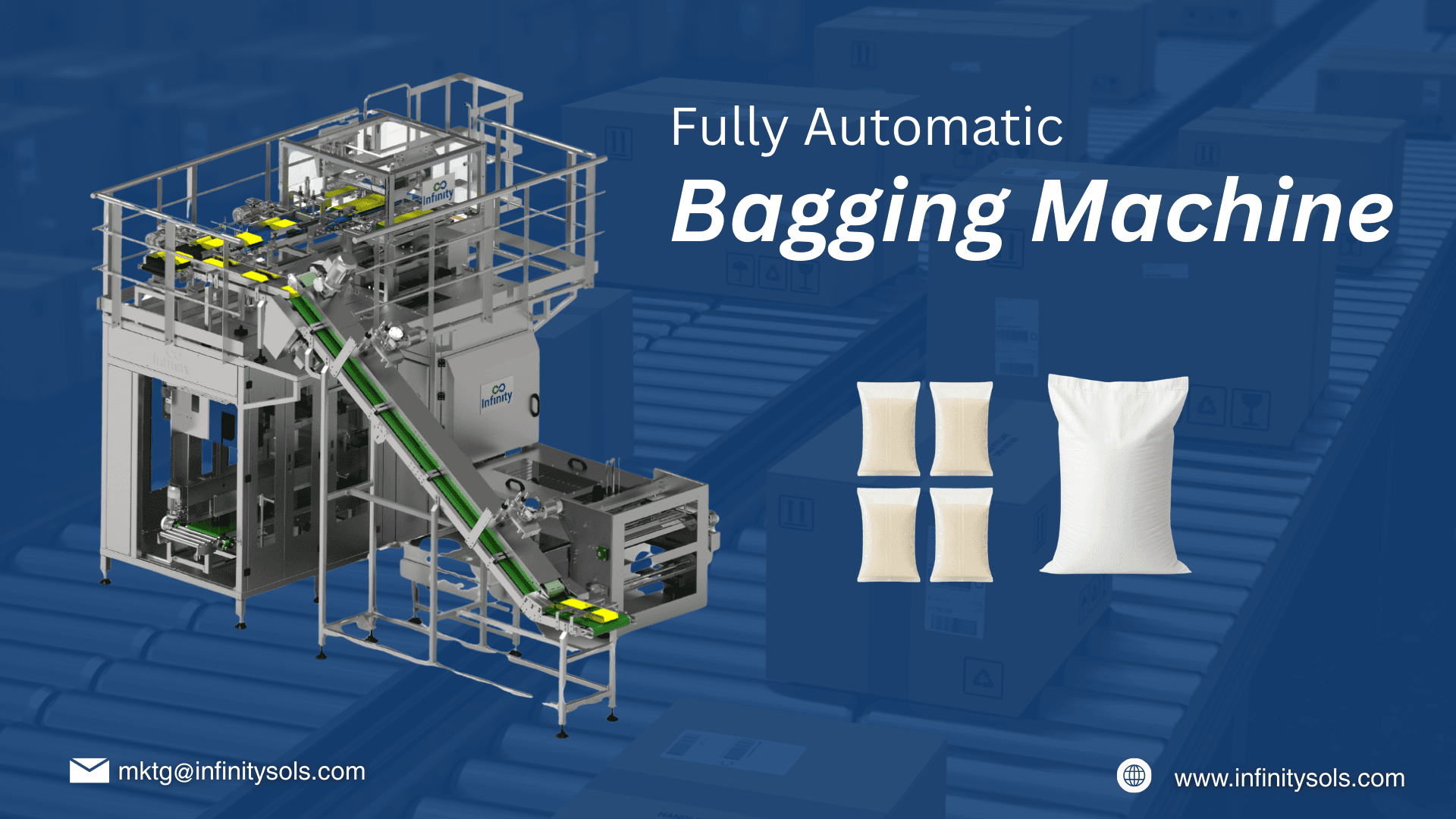
How to Choose the Right Fully Automatic Bagging Machine
Choosing the right fully automatic bagging machine is a crucial decision for manufacturers aiming to increase productivity, reduce manual labor, and ensure packaging quality. Whether you are packing powders, granules, liquids, or solids, the right machine can dramatically improve operational efficiency and help your business scale faster. This guide explains the key factors you should consider in clear, simple language.
Understand Your Product Type
The first step in selecting a fully automatic bagging machine is understanding the product you need to pack. Different products behave differently in bagging systems.
If your product is a fine powder like flour or spice, you need a machine that can handle dust and provide precise weight control. For granular items such as rice, lentils, or seeds, the machine should be capable of gentle product handling to avoid breakage. Heavy or irregular products, like stones, hardware items, or large pellets, also require specific vibration or filling mechanisms.
Knowing the product characteristics helps you choose the correct feeding, weighing, and sealing technology.
Define Your Required Production Capacity
One of the most important factors is how fast the machine needs to work. Production capacity is usually measured in bags per hour or tons per day.
If your business has low to moderate volumes, a mid-range automatic bagging machine with a reasonable cycle speed might be enough. Larger manufacturers with high daily throughput need high-speed machines that operate continuously with accurate filling and minimal downtime. Choosing a machine with the right capacity prevents production bottlenecks and ensures you meet delivery schedules.
Choose the Correct Weighing System
Accuracy in weight is essential in automatic bagging. The weighing unit determines how precisely the machine fills each bag.
Two common systems are:
- Load cell weighing, which measures bag weight in real time and ensures high accuracy
- Multi-head weighing, which is ideal for granular or free-flowing products and delivers fast and precise fills
For regulated industries like food and pharmaceuticals, weight accuracy affects compliance as well as customer satisfaction.
Select Bag Type and Material Compatibility
Fully automatic bagging machines can handle different types of bags. You need to choose based on how your product will be presented and transported.
Machines commonly support:
- Pre-made bags
- Poly bags
- Woven sacks
- Valve bags
- Gusseted bags
- Form-fill-seal bags
Bag material matters too. Plastic films are suitable for light products, while heavier materials like polypropylene or laminated bags are used for bulk or export shipments. Ensure the machine supports the bag types you intend to use.
Check Machine Build Quality and Hygiene Standards
Machine construction quality affects reliability and maintenance cost. For food, pharmaceutical, and chemical applications, hygienic design is critical. Stainless steel construction, enclosed mechanisms, and dust-proof features help maintain cleanliness and prevent contamination.
Durable components and solid structural design also reduce vibration, wear, and tear, which enhances long-term performance.
Integration with the Packaging Line
A fully automatic bagging machine should integrate smoothly with upstream and downstream systems. Upstream integration could involve bulk feeders, hoppers, or primary filling machines. Downstream integration might include checkweighers, conveyor belts, carton packers, case packing, and palletizing robots.
A well-connected packaging line increases throughput, reduces manual handling, and improves overall productivity.
Evaluate Control and Automation Features
User-friendly controls make operation simpler and reduce training time. Modern bagging machines come with touchscreen displays, intuitive interfaces, programmable logic controllers (PLC), and remote diagnostics. These features give operators control over bag weight, speed, and machine settings while enabling real-time machine performance monitoring.
Automation features like automatic bag opening, error detection, and jam recovery improve uptime and save labor costs.
Consider Maintenance and Support Services
Investing in a fully automatic bagging machine also means checking the after-sales support you will receive. Timely service, spare parts availability, and technical support minimize downtime and keep production running smoothly.
Manufacturers with a strong service network in your region — especially in growing markets like India — ensure quick response times and better machine life.
Assess Total Cost of Ownership
While initial machine cost is an important factor, you should also evaluate long-term investment aspects. These include machine durability, maintenance frequency, energy consumption, spare part costs, and service quality. Machines that offer fewer stoppages, easy maintenance, and long life often deliver better return on investment (ROI) even if their upfront price is higher.
Check Customization and Expandability
Your packaging needs may evolve over time. Choosing a machine that allows for customization — such as adding barcode scanners, metal detection, or integrated weigh-label applications — future-proofs your investment. Expandability ensures your machine can grow with your business without the need for full replacement.
Final Thoughts
Choosing the right fully automatic bagging machine requires more than looking at price tags. It involves understanding your product type, production goals, integration requirements, and long-term operational needs. A well-chosen machine improves speed, accuracy, and packaging quality, while reducing labor costs and downtime.
For manufacturers focused on performance and reliability, investing in the right bagging solution is a strategic move that supports productivity growth and long-term success.