
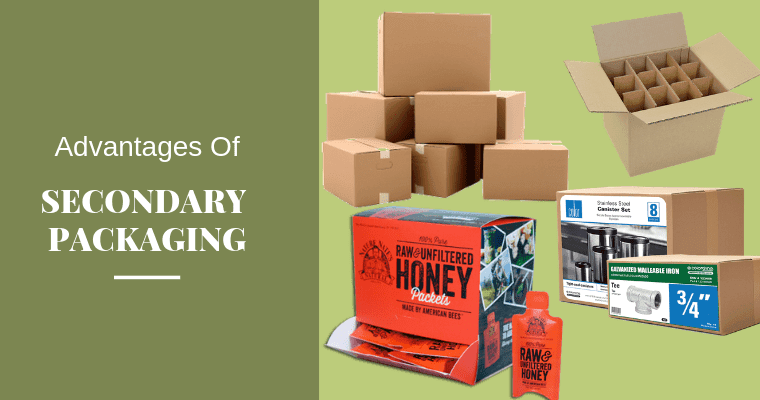
Secondary packaging sits between the product’s primary packaging and the final transport or display unit. It helps bundle, protect, handle, and present products while making them easier to ship and store. In manufacturing environments, well-designed secondary packaging supports automated stacking, conveyor integration, and quality control systems. For e-commerce, where parcels are handled many times across warehouses and delivery networks, secondary packaging directly impacts damage rates, returns, and brand perception.
Manufacturers and brands that optimize secondary packaging are discovering measurable impacts—such as reduced damage during transit, smoother warehouse handling, and stronger customer experience online and offline. As sustainability goals become non-negotiable in 2026, secondary packaging also plays a powerful role in reducing waste and carbon footprint.
Why Secondary Packaging Matters in Modern Manufacturing
In manufacturing, secondary packaging performs multiple critical functions beyond protection: it simplifies logistics, improves line speed, and enhances quality control. Secondary packaging often includes cases, cartons, trays, shrink wraps, and bundles that bring multiple primary units together for easier movement and stacking.
Modern factories increasingly rely on automation technologies—like robotic case packers and smart conveyor integration—which depend on consistent secondary packaging formats to achieve accuracy and speed. Smart systems with vision inspection, sensors, and automated sealing ensure every box or tray meets quality standards before shipment.
For sectors like food & beverage, pharmaceuticals, and consumer goods, secondary packaging also supports regulatory compliance and labeling requirements. It provides space for barcodes, batch details, and traceability information that primary packaging alone may not accommodate. This enhances inventory management, reduces errors, and avoids costly recalls.
The Growing Role of Secondary Packaging in E-Commerce
The rapid expansion of e-commerce has made secondary packaging even more essential. With billions of parcels shipped annually, packages must survive multiple touchpoints—from fulfillment center shelves and sorting machines to last-mile delivery handling. Products that arrive damaged due to inadequate packaging result in higher return rates and lost revenue.
E-commerce brands are using secondary packaging not just for protection but to enhance brand experience and reduce costs. Custom printed boxes, branded tapes, and moisture-resistant materials improve unboxing experience while preventing damage due to humidity or rough handling.
Lightweight but durable secondary packaging also plays into sustainability goals by reducing material usage and lowering transport emissions. Integrating smart technologies like QR codes and tamper-evident features further improves traceability and customer trust. These trends align with broader market shifts toward recyclable, eco-friendly options that appeal to conscious consumers.
Secondary Packaging Trends Shaping 2026
Market Growth: The secondary packaging sector continues to expand as automation and e-commerce demand rise. The market is expected to keep growing steadily with increasing investment in smart, sustainable solutions.
Automation & Smart Packaging: Robotics and AI-enabled machines are streamlining secondary packaging lines, improving consistency and reducing manual labor. Automated carton sealers, strapping systems, and palletizing robots help businesses scale without compromising quality.
Sustainability & Materials: Companies are shifting toward recyclable, biodegradable, and reusable secondary packaging materials to reduce carbon footprint and comply with regulations. This trend is closely tied to growing demand from consumers and governments alike.
E-Commerce Optimization: Secondary packaging is evolving to meet the unique demands of online retail, including moisture resistance, tamper detection, and space-optimized designs that reduce shipping costs and returns.
FAQs – Secondary Packaging (2026)
What is secondary packaging used for?
It groups and protects primary packaged goods for transport, storage, and display.
Why is secondary packaging important for manufacturing?
It enables automated lines to run faster and more consistently with fewer errors.
Can secondary packaging reduce e-commerce returns?
Yes, stronger packaging decreases damage and improves customer satisfaction.
How does secondary packaging support sustainability?
By using recyclable, lightweight materials and reducing waste in transport.
Learn More About Secondary Packaging Excellence
Secondary packaging is a crucial link between production and delivery—protecting products, optimizing logistics, and improving customer trust in 2026.
👉 Learn how secondary packaging improves manufacturing and e-commerce efficiency
👉 Explore automation best practices for packaging operations
👉 Understand how smart, sustainable packaging boosts brand value
📧 Email: info@infinitysols.com
📱 Mob: +91 84849 22042