
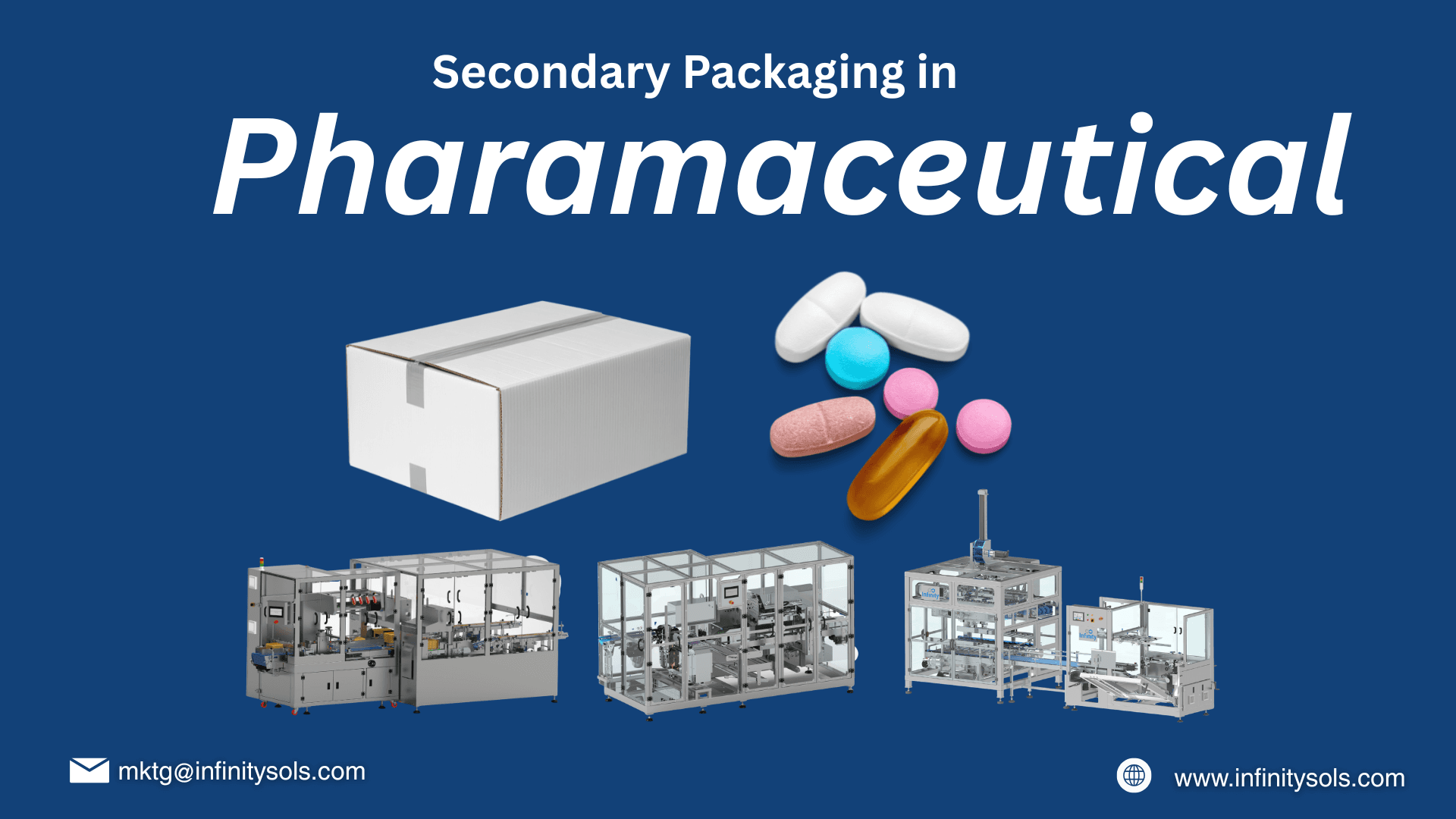
Secondary Packaging in Pharmaceutical Industry
Secondary packaging in pharmaceutical industry is a critical stage in medicine manufacturing. It is not only about placing products inside a carton or shipping box. It is about protecting medicines, ensuring regulatory compliance, maintaining product quality, and building patient trust. Because pharmaceutical products directly affect human health, packaging standards are much stricter compared to many other industries.
In simple terms, primary packaging is the material that directly touches the medicine, such as blister packs, bottles, vials, ampoules, and tubes. Secondary packaging is the outer packaging that groups and protects these primary packs. This includes printed cartons, mono boxes, and corrugated shipping cases used for bulk transportation.
Importance of Secondary Packaging in Pharmaceutical Industry
Secondary packaging plays an important role in protecting medicines during storage and transportation. Pharmaceutical products are often sensitive to moisture, light, heat, and physical damage. Proper carton design and strong case packing help ensure that medicines reach pharmacies, hospitals, and distributors safely.
Another major function of secondary packaging in pharmaceutical industry is regulatory compliance. Every medicine carton must display clear and accurate information such as batch number, manufacturing date, expiry date, dosage instructions, storage conditions, and barcode details. Regulatory authorities like the Central Drugs Standard Control Organization, the U.S. Food and Drug Administration, and the European Medicines Agency strictly monitor packaging and labeling standards. Any error in labeling can result in serious penalties or product recalls, which can affect brand reputation.
Role of Automation in Pharmaceutical Secondary Packaging
Modern pharmaceutical companies rely on automated packaging systems to maintain accuracy and speed. Cartoning machines are used to place blister packs or bottles into cartons automatically. These machines also insert patient information leaflets and ensure proper sealing. Automation reduces manual handling, improves hygiene, and increases production efficiency.
After cartoning, case packing machines arrange multiple cartons into corrugated boxes for safe shipping. This process helps in structured stacking and easy warehouse management. Checkweighers are integrated into the line to verify correct weight and detect missing products. Conveying systems connect all machines to create a smooth and continuous packaging flow.
Serialization and Track and Trace
Secondary packaging in pharmaceutical industry also supports serialization and track-and-trace systems. Many countries require unique identification codes on each medicine carton to prevent counterfeit products. These codes allow manufacturers and regulators to track products throughout the supply chain. This system increases transparency and improves patient safety.
Growing pharmaceutical markets such as India are rapidly adopting automated and compliant secondary packaging solutions to meet global export standards.
Business Benefits of Strong Secondary Packaging
Efficient secondary packaging improves production speed, reduces packaging errors, and ensures consistent product presentation. It also strengthens brand value by delivering well-packed and damage-free products to the market. For pharmaceutical manufacturers, investing in advanced secondary packaging systems leads to better operational control and long-term cost savings.
Companies like Infinity Automated Solutions Pvt Ltd provide end-of-line automation solutions such as case packers, checkweighers, and conveying systems that support reliable pharmaceutical packaging operations.
Conclusion
Secondary packaging in pharmaceutical industry is much more than an outer box. It is a complete system designed to protect medicines, ensure regulatory compliance, prevent counterfeiting, and maintain supply chain efficiency. With increasing demand for safe and high-quality medicines, advanced secondary packaging solutions have become essential for modern pharmaceutical manufacturing.